
Emotional Wellbeing Guide for Managing Stress and Anxiety
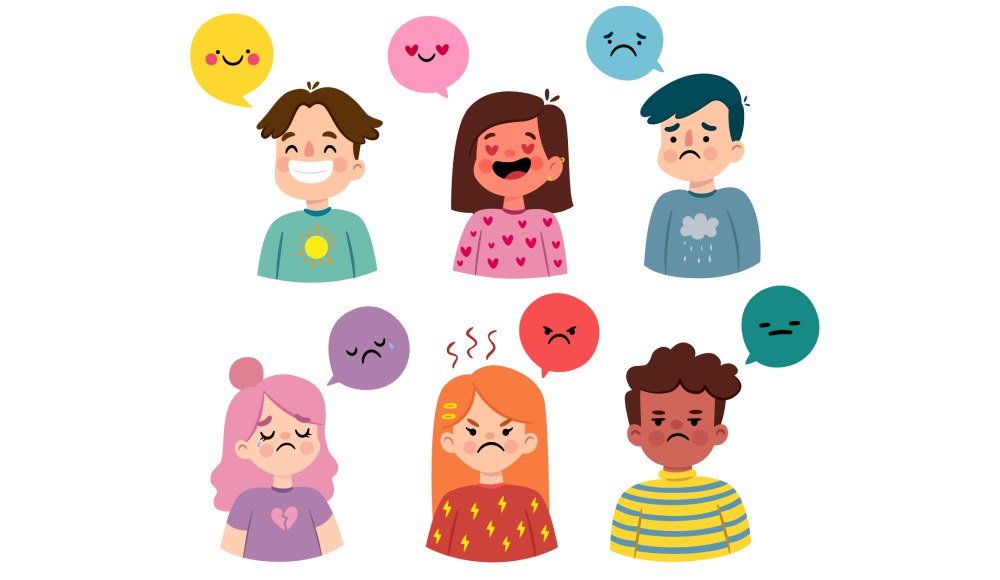
Emotional wellbeing is an essential part of leading a balanced and fulfilling life. It refers to the ability to understand, manage, and express your emotions in a healthy and productive way. For many people, stress and anxiety are common challenges that can impact Emotional wellbeing. Learning practical strategies to manage these feelings is crucial for maintaining mental health, improving relationships, and enhancing overall life satisfaction.
Understanding Emotional Wellbeing
Emotional wellbeing involves recognizing your emotions, understanding their impact, and using this awareness to guide your thoughts and behaviors. It is more than simply feeling happy or relaxed; it is about resilience, self-awareness, and the ability to cope with life’s challenges.
Key aspects of emotional wellbeing include:
- Self-awareness: Recognizing your emotional responses to situations.
- Self-regulation: Managing emotions rather than being controlled by them.
- Resilience: Bouncing back from setbacks and adapting to change.
- Social connection: Maintaining supportive relationships that enhance emotional support.
- Purpose and fulfillment: Engaging in meaningful activities that align with personal values.
Developing emotional wellbeing is a lifelong process, and it requires consistent effort and reflection.
The Relationship Between Stress, Anxiety, and Emotional Wellbeing
Stress and anxiety are normal responses to life events, but when they become overwhelming, they can significantly affect emotional wellbeing. Stress is often triggered by external pressures, such as work deadlines, school responsibilities, or financial concerns. Anxiety is characterized by persistent worry or fear that can interfere with daily functioning.
The effects of unmanaged stress and anxiety on emotional wellbeing include:
- Difficulty concentrating or making decisions
- Irritability or mood swings
- Reduced motivation and productivity
- Physical symptoms such as headaches, fatigue, or digestive issues
- Social withdrawal and relationship conflicts
Understanding the sources and effects of stress and anxiety is the first step toward managing them effectively and improving emotional wellbeing.
Identifying Personal Stress and Anxiety Triggers
Every individual experiences stress and anxiety differently. Identifying your unique triggers can help you develop targeted strategies for emotional wellbeing. Common triggers include:
- Academic or work-related pressures
- Financial difficulties
- Relationship challenges or conflicts
- Health concerns
- Major life transitions such as moving, changing jobs, or loss
Keeping a journal can be a practical tool to identify patterns in your emotional responses. Record situations that cause stress, your reactions, and any physical symptoms. Over time, this awareness allows you to anticipate triggers and implement coping strategies proactively.
Practical Strategies for Managing Stress
Managing stress is key to maintaining emotional wellbeing. Here are practical strategies that can be applied daily:
1. Mindful Breathing and Meditation
Mindful breathing helps reduce the physical symptoms of stress and promotes calmness. Try the following:
- Inhale slowly for a count of four
- Hold your breath for a count of four
- Exhale slowly for a count of six
Practicing meditation for 10–15 minutes daily can also help regulate stress hormones and improve focus.
2. Physical Activity
Exercise is one of the most effective ways to reduce stress. Activities like walking, jogging, yoga, or dancing release endorphins, which are natural mood enhancers. Even 20–30 minutes a day can have significant benefits.
3. Time Management
Poor time management can increase stress. Use strategies such as:
- Prioritizing tasks based on urgency and importance
- Breaking large tasks into smaller, manageable steps
- Scheduling regular breaks to prevent burnout
4. Social Support
Connecting with friends, family, or support groups provides emotional relief and perspective. Sharing your feelings can reduce the burden of stress and promote emotional wellbeing.

Effective Approaches to Managing Anxiety
Anxiety can feel overwhelming, but there are evidence-based techniques to manage it effectively:
1. Cognitive Behavioral Techniques
Cognitive Behavioral Therapy (CBT) is a structured approach that helps identify negative thought patterns and replace them with realistic, balanced thinking. Techniques include:
- Challenging catastrophic thoughts
- Practicing positive self-talk
- Gradual exposure to feared situations
2. Relaxation Techniques
Progressive muscle relaxation, guided imagery, or listening to calming music can reduce anxiety symptoms. Regular practice strengthens your body’s ability to respond calmly to stressors.
3. Healthy Lifestyle Habits
Certain habits can help regulate anxiety:
- Maintaining a consistent sleep schedule
- Eating a balanced diet rich in fruits, vegetables, and whole grains
- Limiting caffeine and alcohol, which can exacerbate anxiety
4. Professional Support
For persistent or severe anxiety, consulting a licensed mental health professional is essential. Therapy, counseling, or, in some cases, medication can provide significant relief.
Building Long-Term Emotional Wellbeing
Developing emotional wellbeing is not just about managing stress and anxiety; it is about fostering habits that support mental, emotional, and physical health.
1. Self-Reflection
Spend time regularly reflecting on your emotional state. Ask yourself questions like:
- What emotions did I experience today?
- What triggered these feelings?
- How did I respond, and what could I do differently?
2. Setting Healthy Boundaries
Learning to say no and protecting your personal time is vital for emotional wellbeing. Boundaries prevent burnout and help maintain healthy relationships.
3. Engaging in Meaningful Activities
Pursue hobbies, volunteer work, or creative projects that bring joy and fulfillment. Engaging in purposeful activities strengthens resilience and emotional balance.
4. Cultivating Gratitude
Practicing gratitude can shift focus from stressors to positive aspects of life. Keeping a gratitude journal, listing three things you are thankful for daily, can enhance mood and emotional wellbeing.
5. Developing Emotional Intelligence
Emotional intelligence involves recognizing, understanding, and managing emotions effectively. Enhancing emotional intelligence improves communication, empathy, and decision-making.
Real-Life Example: Applying Emotional Wellbeing Strategies
Consider Sarah, a high school student experiencing anxiety due to upcoming exams. She notices that worrying excessively affects her sleep and concentration. By practicing mindful breathing, exercising daily, and breaking her study schedule into manageable chunks, Sarah gradually reduces her stress levels. She also speaks with a school counselor to gain additional support. Over time, these strategies enhance her emotional wellbeing, allowing her to approach challenges calmly and confidently.
The Role of Mindset in Emotional Wellbeing
Your mindset profoundly influences emotional wellbeing. Adopting a growth mindset—believing that abilities and coping strategies can be developed—helps reduce feelings of helplessness. Viewing challenges as opportunities for growth encourages resilience and long-term mental health.
Tips for Sustaining Emotional Wellbeing
- Develop a consistent daily routine
- Prioritize sleep and nutrition
- Stay connected with supportive individuals
- Practice mindfulness or meditation
- Engage in regular physical activity
- Monitor stress and anxiety triggers proactively
Implementing these tips gradually and consistently can produce lasting improvements in emotional wellbeing.
Conclusion
Emotional wellbeing is a cornerstone of a healthy, balanced life. By understanding stress and anxiety, identifying triggers, and applying practical strategies, individuals can improve their mental health, strengthen resilience, and cultivate fulfilling relationships. Daily habits such as mindful breathing, physical activity, healthy lifestyle choices, and reflective practices promote emotional wellbeing and empower individuals to navigate life’s challenges with confidence. The journey toward emotional wellbeing is ongoing, but with consistent effort and self-compassion, it is achievable for everyone. All our latest blogs and resources are connected to our core platform.
Frequently Asked Questions
What is emotional wellbeing, and why is it important?
Emotional wellbeing refers to the ability to understand, manage, and express emotions effectively. It is important because it influences mental health, relationships, decision-making, and overall life satisfaction. People with strong emotional wellbeing can cope with stress, build resilience, and maintain a positive outlook.
How can I manage stress effectively in daily life?
Effective stress management involves practices such as mindful breathing, regular physical activity, time management, and seeking social support. Identifying stress triggers and implementing targeted strategies helps reduce the impact of stress on emotional wellbeing.
What are the best ways to reduce anxiety naturally?
Natural approaches to reducing anxiety include practicing cognitive behavioral techniques, engaging in relaxation exercises, maintaining a healthy lifestyle, and developing supportive relationships. For persistent anxiety, professional counseling or therapy may also be necessary.