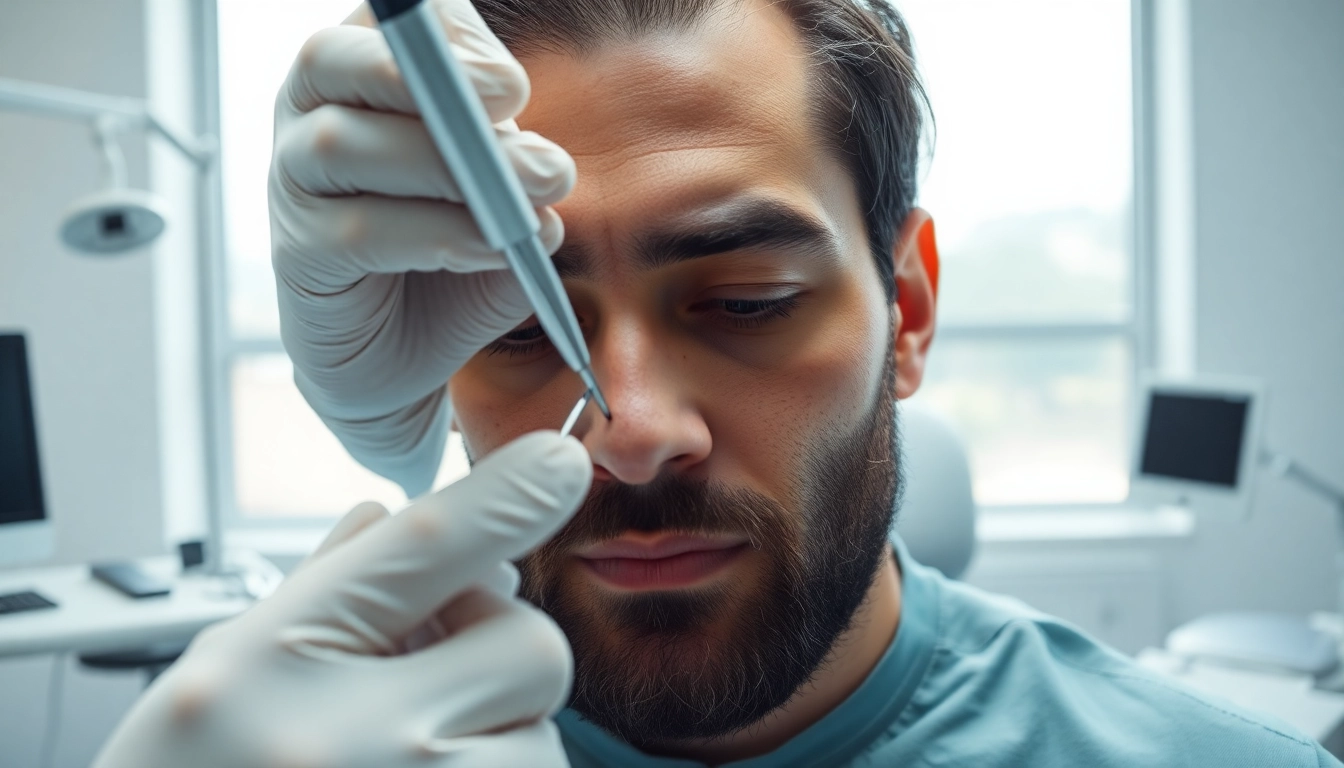
What is a Hair Transplant?
Understanding the Basics of Hair Transplant
Hair transplant is a popular surgical procedure aimed at restoring hair growth in individuals experiencing hair loss. Essentially, it involves removing hair follicles from a donor site, typically the back or sides of the scalp, and implanting them into areas experiencing thinning or baldness. The results can be both natural-looking and permanent, making it an appealing option for many seeking to regain confidence in their appearance. In an era where hair loss can significantly impact self-esteem, the hair transplant provides a solution that can refresh one's image.
Types of Hair Transplant Techniques
There are primarily two approaches to hair transplantation: Follicular Unit Transplantation (FUT) and Follicular Unit Extraction (FUE). FUT involves removing a strip of scalp from the donor area, from which individual hair follicles are harvested and transplanted. This method can leave a linear scar but allows for a larger number of grafts to be moved in one session.
On the other hand, FUE involves the extraction of individual follicular units directly from the scalp using a specialized, motorized device. This technique is less invasive, resulting in minimal scarring and quicker recovery times. Additionally, advanced techniques like robotic hair restoration now offer highly precise follicle extraction, further enhancing outcomes.
Who is a Good Candidate for Hair Transplant?
Good candidates for hair transplant are typically individuals with sufficient healthy hair follicles in the donor areas and a clear expectation of the results. Ideal candidates are often those experiencing androgenetic alopecia, a hereditary form of hair loss, but those with other hair loss patterns may also benefit. Furthermore, individuals should be in good health, as underlying health issues can affect surgical outcomes. Age also plays a critical role; while younger individuals can still achieve good results, their future hair loss patterns must be considered.
How Hair Transplant Works
The Surgical Process Explained
The hair transplant process generally involves a consultation to assess the individual’s scalp and hair condition, followed by a detailed discussion regarding the preferred technique and expected results. During the actual procedure, after local anesthesia is administered, the chosen extraction method (FUT or FUE) is performed. Grafts containing hair follicles are meticulously harvested and prepared for transplantation. Then, incisions are made in the balding or thinning areas of the scalp where the follicles will be placed.
Once implanted, these hair follicles will begin to grow hair naturally in their new location, typically within a few months. Post-operative care includes specific instructions to maintain the transplant's integrity and soothe any discomfort.
Post-Procedure Care and Recovery
After the procedure, proper post-operative care is crucial for optimal healing and hair growth. Most individuals experience swelling, soreness, and minor discomfort, which can be managed with prescribed medications. It’s essential to avoid strenuous activities and direct sun exposure to the scalp for at least a week following surgery.
Regular follow-ups with the surgeon will also help monitor the healing process and assess the growth of the transplanted hair. Many patients begin to see new growth within three to six months, but full results might take up to a year to manifest.
Expected Results and Timeframe
The results of a hair transplant can be incredibly satisfying. Initially, transplanted hair will shed within a few weeks post-surgery; this is a normal part of the growth cycle. Following the shedding phase, new hair will begin to sprout, gradually becoming denser over time. The expected timeframe for visible results typically spans three to six months, with full results observable by the end of the first year. An understanding of realistic outcomes is critical for maintaining confidence in the procedure's success.
Success Rates of Hair Transplant
Understanding Success Metrics
Success rates for hair transplants vary based on multiple factors, including technique used, surgeon expertise, and individual characteristics. Generally, success rates can exceed 90%, with many patients achieving significant improvement in hair density and appearance. A successful procedure will lead to the natural regrowth of hair that blends seamlessly with existing hair.
Factors Influencing Hair Transplant Success
Several critical factors impact the success of hair transplants. Surgeon skill and experience, the quality of donor hair, and proper post-operative care are paramount. Patient adherence to recovery recommendations, such as avoiding certain medications and ensuring scalp hygiene, also plays a pivotal role. Additionally, lifestyle factors like smoking, stress, and nutrition can influence overall hair health and growth after transplantation.
Common Myths Debunked
There are numerous misconceptions surrounding hair transplants. A common myth is that results appear immediately; however, as previously discussed, significant growth can take several months. Another myth is that it is a painful procedure, while most patients report manageable discomfort due to the anesthesia used. Fear of unnatural results also deters some from considering the procedure, but with the advancements in technology, results can now look more natural than ever.
Cost of Hair Transplant
Factors Affecting the Overall Cost
The cost of a hair transplant can vary widely, depending on factors such as the technique employed, geographic location, and the surgeon's expertise. On average, the price can range from $4,000 to $15,000, averaging around $6,000. FUE tends to be more costly than FUT due to the labor-intensive nature of the procedure.
Financing Options for Hair Transplant
Many patients explore financing options to manage the cost of hair transplants. Some clinics offer payment plans or financing through third-party companies that specialize in medical procedure loans. It’s crucial to research any financing options thoroughly and understand the interest rates and repayment terms involved.
Comparing Costs Across Various Techniques
When comparing costs of FUT and FUE, it’s essential to consider not just the price but also the potential outcomes. While FUE may have a higher upfront cost, it often leads to quicker recovery and less post-operative discomfort. Evaluating the value of results against expenses will help patients make informed decisions.
Frequently Asked Questions About Hair Transplant
Is Hair Transplant Painful?
Most patients report minimal pain during a hair transplant. Local anesthesia is used to numb the scalp, making the procedure comfortable. Any post-operative discomfort is usually manageable with over-the-counter pain relief.
How Long Do Hair Transplant Results Last?
Results from a hair transplant are typically permanent if the procedure is done correctly, with hair growth continuing for years. However, individual hair loss patterns might result in ongoing hair thinning in non-transplanted areas.
Are There Any Risks Involved?
As with any surgical procedure, hair transplant carries some risks. Common risks include infection, scarring, and poor growth of transplanted hair. These can often be minimized by following pre-and post-operative care instructions.
Can Women Get Hair Transplant?
Yes, women can undergo hair transplants. Many experience hair loss due to hormonal changes, genetics, or medical conditions that can be effectively treated with hair restoration techniques.
What Should I Expect During Consultation?
During a consultation, the surgeon will assess hair loss patterns, discuss desired outcomes, and recommend a suitable technique. It's also an opportunity for patients to ask questions and understand every aspect of the process.