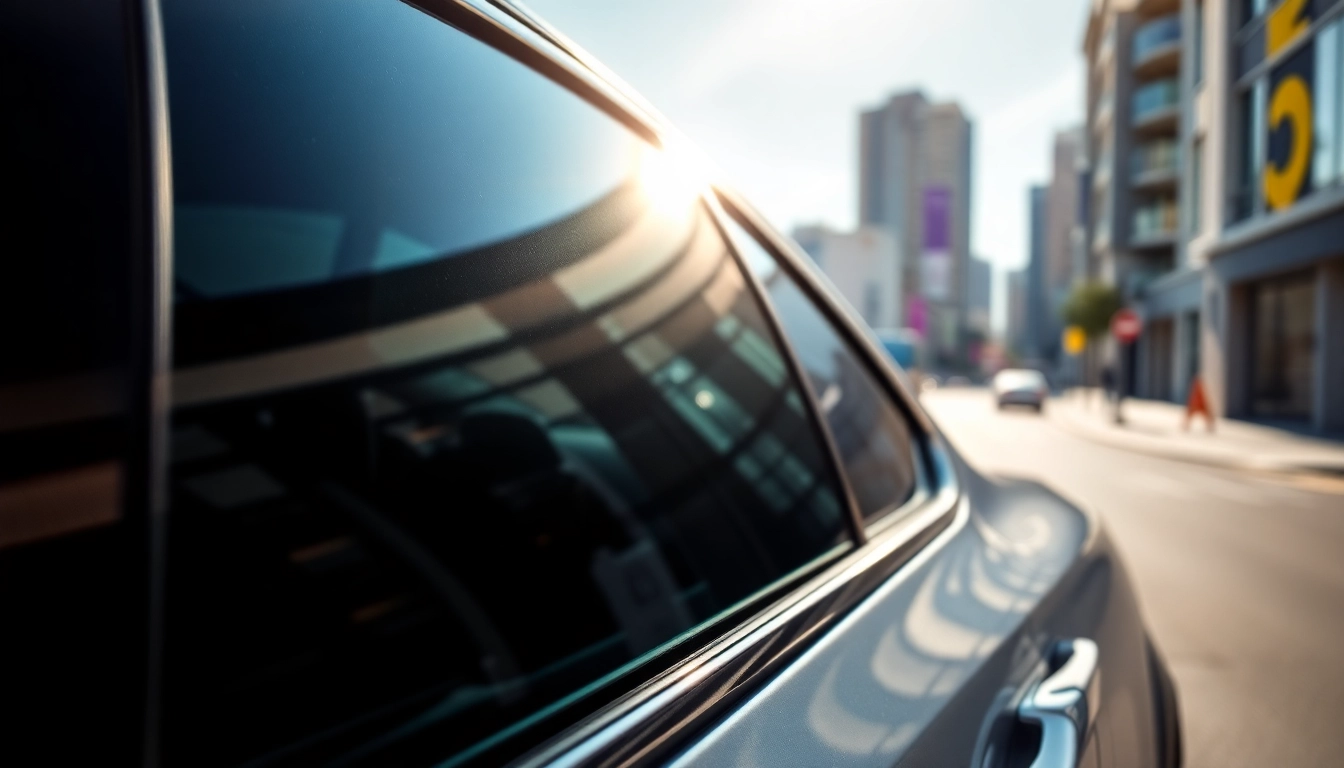
What is Ceramic Window Tint?
Ceramic window tint is an advanced type of window film that incorporates ceramic particles in its construction. Unlike traditional window tints that may rely heavily on dyes or metals, ceramic window tint is engineered using nanotechnology. This unique composition enhances performance while ensuring a more durable and effective shading solution. By utilizing ceramic window tint, vehicle owners can achieve greater glare reduction, UV protection, and heat rejection.
Understanding the Material Composition
The core difference between ceramic window tint and other types lies in its material composition. Ceramic window tints utilize non-metallic, non-conductive ceramic particles, which serve as a barrier against UV rays and infrared heat. This material is innovative due to its ability to reject heat without sacrificing visibility. Ceramic particles also allow for a clear view, significantly minimizing distortion while improving clarity. This technology provides a significant upgrade over dyed window tints and even metallic ones, primarily in terms of heat management and fading resistance.
How Ceramic Window Tint Differs from Other Types
When comparing ceramic window tint to traditional options, several distinctions emerge:
- Durability: Ceramic films are less prone to fading and deteriorating compared to dyed tints, which can lose their effectiveness over time.
- Heat Rejection: Ceramic window tint excels in heat rejection, outperforming even some metallic tints.
- Signal Compatibility: Unlike metallic tints, ceramic films contain no metals, ensuring that they do not interfere with radio, GPS, or cell signals.
- Visibility: Ceramic window tints allow for maximum visibility while still reducing glare and UV rays.
Common Uses of Ceramic Window Tint in Vehicles
Ceramic window tint is gaining popularity in various vehicles for several reasons:
- Personal Vehicles: Many car owners opt for ceramic window tint to enhance comfort by keeping their interiors cooler.
- Luxury Cars: Owners of high-end vehicles choose ceramic tint for its premium appearance and added heat rejection.
- Commercial Vehicles: Businesses utilize ceramic tint to protect equipment and personnel from harmful UV radiation.
- Fleet Vehicles: Organizations often apply ceramic tint for improved energy efficiency and occupant comfort on long journeys.
Benefits of Ceramic Window Tint
The advantages of ceramic window tint extend beyond merely aesthetic enhancements. Here are compelling reasons to consider this type of window film:
Superior UV Protection and Heat Rejection
Ceramic window tint provides an exceptional barrier against harmful UV rays, blocking up to 99% of them. This protection helps mitigate skin damage while also preventing the fading of upholstery and interiors. Furthermore, the ability of ceramic window tint to reject heat is significantly higher than standard films, leading to lower interior temperatures, which can consequently reduce reliance on air conditioning and improve fuel efficiency.
Enhanced Privacy and Security
Not only does ceramic window tint improve the aesthetic appeal of vehicles, but it also enhances privacy. Tinted windows provide a higher level of obscurity, protecting the occupants and their belongings from prying eyes. Additionally, ceramic window tint may help hold shattered glass together in case of accidents or break-ins, adding an extra layer of security.
Improved Aesthetic Appeal
The sleek appearance afforded by ceramic window tint enhances a vehicle's overall look. Available in various shades and styles, it allows for personalization while conforming to local laws regarding window tint levels. The polished and sophisticated look of ceramic tint adds value and boosts the aesthetic charm of any vehicle.
Installation Process and Considerations
Proper installation is critical to achieving the best performance from ceramic window tint. The following outlines the crucial steps and considerations:
Preparing Your Vehicle for Tinting
Before installation, it's essential to prepare your vehicle adequately. Begin by cleaning the windows thoroughly to remove any dirt, dust, or grease, as any contaminants can affect the adherence of the tint film. Next, ensure that the weather is appropriate for installation; temperatures that are too low can hinder the effectiveness of the adhesive. It's advisable to opt for a professional installer, particularly for intricate window shapes.
Choosing the Right Tint Percentage
Selecting the right tint percentage is crucial not only for appearance but also for compliance with state regulations. Tint percentages typically range from 5% (limo tint) to 70% (light tint). Consider your needs for privacy, heat rejection, and visibility when making your filter choice. Many experts recommend consulting with professionals who can guide you on the best tint levels for your specific vehicle type and local laws.
Professional Installation vs. DIY Options
While DIY window tint kits are available, professional installation is often recommended for several reasons. Professionals have access to high-quality materials and tools, ensuring a perfect fit and finish. They also possess the expertise to handle complex window shapes and curves that can be challenging for amateurs. As an investment in quality, professional installation generally results in longer-lasting and more aesthetically pleasing outcomes.
Maintaining Ceramic Window Tint
Proper maintenance will extend the life of your ceramic window tint. Here are essential care practices:
Cleaning Tips for Longevity
When cleaning ceramic window tint, use a gentle, ammonia-free solution to avoid damaging the film. Microfiber cloths are ideal for cleaning, as they prevent scratches and remove dust effectively. Regular cleaning every few weeks helps to maintain clarity and appearance.
Avoiding Common Damage Issues
To minimize damage risks, avoid using abrasive materials or strong cleaners that can degrade the film. Be cautious when using window squeegees or other cleaning tools that might snag or scratch the surface. Also, be wary of leaving sharp objects (like seatbelt clips) near tinted windows, as they can cause scratches if rubbed against the film.
Recognizing Signs of Wear or Tear
Monitor your ceramic window tint for signs of wear, such as bubbling, cracking, fading, or peeling. Promptly addressing these issues can prevent further damage and ensure that you maintain optimal UV protection and heat rejection. If significant wear is noted, consider professional assessment and potential replacement.
Frequently Asked Questions About Ceramic Window Tint
How long does ceramic window tint last?
With proper installation and care, ceramic window tint can last up to 10-15 years, depending on environmental factors and maintenance practices.
Can ceramic window tint reduce glare while driving?
Yes, ceramic window tint effectively reduces glare, enhancing driving visibility during bright conditions and improving safety on the road.
Is ceramic window tint legal in my state?
Window tint laws vary by state. Always check your local regulations regarding allowable tint percentages and reflectivity to stay compliant.
Does ceramic window tint affect visibility at night?
Ceramic window tint is designed to maintain good visibility at night, ensuring it's safe to drive without compromising nighttime clarity.
Can I remove ceramic window tint later?
Yes, ceramic window tint can be removed, although it's best done by professionals to avoid damaging the window or the vehicle's interior during the process.