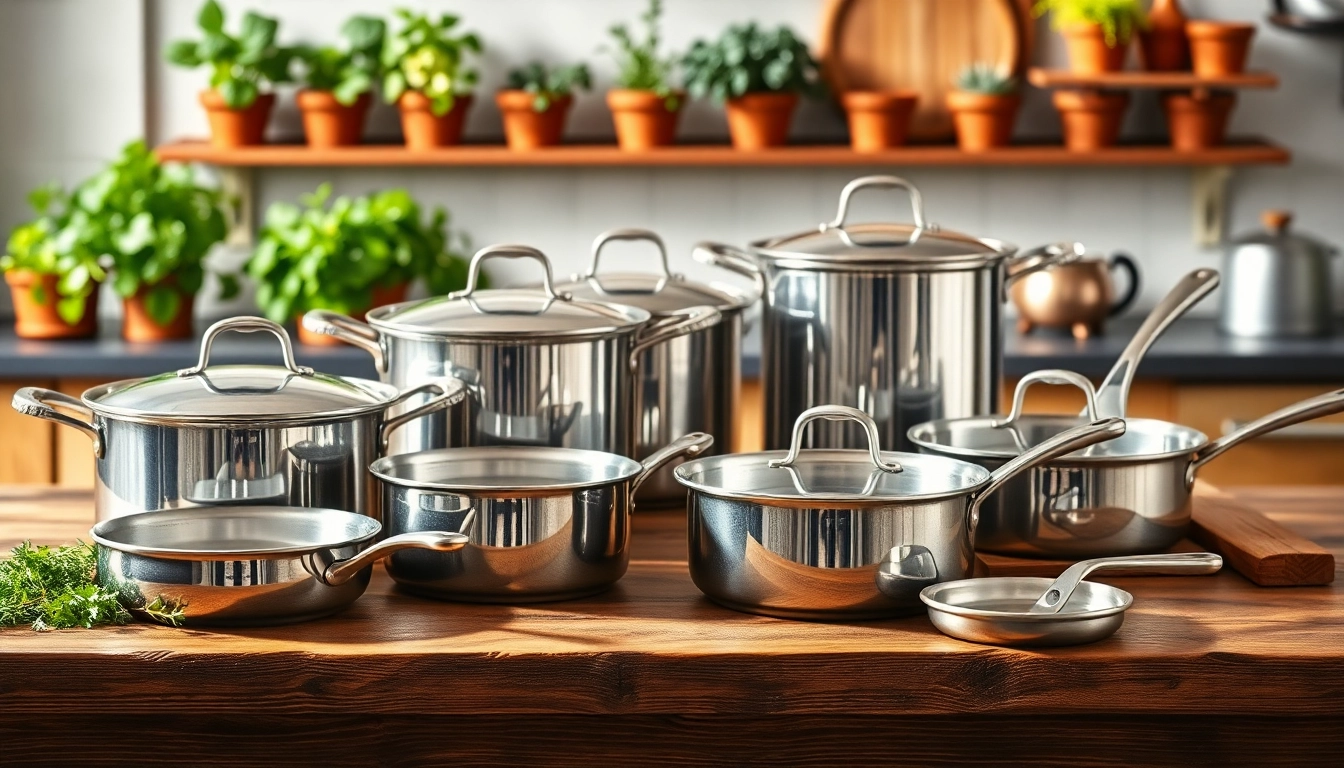
Introduction to Cookware
Cookware is an essential component of any kitchen, serving as the foundation for food preparation, from everyday meals to gourmet dishes. Selecting the right cookware can significantly impact your cooking experience and the quality of the food you prepare. With an overwhelming variety of options available, understanding the different types of cookware, their materials, and what suits your culinary needs is critical for both novice cooks and seasoned chefs alike.
What Is Cookware?
Cookware refers to pots, pans, and other vessels in which food is cooked, prepared, or baked. Cookware is generally classified based on its material, shape, and intended cooking method. It includes items like frying pans, stockpots, saucepans, baking dishes, and specialty cookware that can be used on the stovetop, in the oven, or both. The proper cookware enables better heat distribution, easier food release, and improved cooking results.
Types of Cookware Available
Cookware comes in a variety of shapes and sizes, each designed for specific cooking methods. The main types of cookware include:
- Fry Pans/Skillets: Used for frying, searing, and browning foods.
- Sauce Pans: Ideal for boiling, simmering, and making sauces.
- Stock Pots: Perfect for making stocks, broths, and larger quantities of soups.
- Baking Dishes: Used for oven-baking casseroles, cakes, and desserts.
- Griddles: Great for making pancakes, sandwiches, and more on a flat surface.
- Woks: Traditional Chinese cookware designed for stir-frying and other fast cooking methods.
Choosing the Right Cookware for Your Needs
When selecting cookware, consider factors such as your cooking style, the types of meals you typically prepare, and how much time you spend in the kitchen. Additionally, evaluate the maintenance requirements and durability of the material, alongside your budget. The right selection will enhance your cooking efficiency and lead to better culinary outcomes.
Material Matters: Understanding Cookware Types
The material of cookware significantly affects its performance, durability, and user experience. Here are some common materials used in cookware production:
The Benefits of Stainless Steel Cookware
Stainless steel cookware is a staple in many kitchens. Known for its durability and resistance to rust, corrosion, and staining, it provides excellent heat conduction. Utilizing aluminum cores sandwiched between stainless steel layers can improve heat distribution. Stainless steel cookware is non-reactive, making it suitable for cooking acidic foods like tomato sauce. It also offers the added benefit of being dishwasher-safe, providing convenience in cleaning.
Non-stick Cookware: Pros and Cons
Non-stick cookware features a surface coating that prevents food from sticking, reducing the need for excess oils and fats. This makes it an excellent choice for cooking delicate foods, such as eggs and pancakes. However, non-stick coatings can wear out over time, especially if metal utensils are used. High-quality non-stick options offer improved durability, while both hand washing and optimal temperature control can extend their lifespan. Regular checks for scratches are crucial for safety and performance.
Ceramic and Cast Iron Cookware Options
Ceramic cookware, while popular for its aesthetic appeal, boasts a non-stick surface that functions similarly to traditional non-stick cookware. It is often made from natural ceramic materials, making it a healthier choice. On the other hand, cast iron cookware is revered for its heat retention and distribution. Ideal for frying, baking, and slow cooking, cast iron can be seasoned to enhance its non-stick capabilities. This cookware requires special care, needing regular seasoning and avoidance of soap to maintain its coating.
Maintenance Tips for Longevity of Cookware
Caring for your cookware ensures that it remains functional and visually appealing over time. Each material has specific maintenance requirements to maximize longevity.
Cleaning and Care for Different Materials
Stainless steel can be machine washed but benefits from occasional hand washing with gentle soap to maintain shine. Non-stick cookware should be cleaned with soft sponges; avoid abrasive pads that can scratch the surface. Cast iron needs to be cleaned with a stiff brush and warm water—non-detergent solutions are best to preserve the seasoning. If the seasoning wears off, re-seasoning is necessary to restore its cooking surface.
Storing Cookware to Avoid Damage
Proper storage of cookware can prevent scratches, dents, and other damages. Use dividers or cloth pads between stacking pans to avoid scratches. Hang lightweight skillets or use a pot rack to minimize contact and preserve surfaces. Ensure lids aren't nested tightly onto pots to avoid warping.
Signs It's Time to Replace Your Cookware
Replace cookware if you notice significant warping, discoloration, or if the non-stick surface has started to peel. Additionally, cookware that does not heat uniformly or has visible scratches indicating wear should be replaced to ensure safe cooking practices.
How to Choose Cookware Sets and Individual Pieces
When embarking on a cookware purchase, deciding between buying a set or individual pieces can make a significant difference in your kitchen arsenal.
Benefits of Purchasing a Cookware Set
Buying a cookware set often provides better value than purchasing individual pieces. Sets typically include essential items like frying pans, saucepans, and stockpots, ensuring you have the tools you need for a variety of cooking tasks. Additionally, a harmonious set enhances kitchen aesthetics while streamlining storage solutions.
Key Features to Consider in Cookware
Consider cooking style and function when selecting cookware. Look for features like ergonomic handles for comfort, even heat distribution for consistent cooking, and compatibility with different stovetop types, such as induction or gas. Weight can also play a role; heavier pans often provide better heat retention.
Budgeting for Quality Cookware
Quality cookware should be seen as an investment. Set a budget that allows for purchasing durable pieces that offer long-term use. Remember that lower-cost options may result in more frequent replacements, while quality investment pieces may serve you for years, even decades.
FAQs About Cookware
What materials are best for cookware?
Stainless steel and cast iron are top choices due to their durability and heat retention, making them suitable for a range of cooking methods.
How often should I replace my cookware?
Replace cookware when you see signs of wear such as scratches or damaged non-stick surfaces, typically every 3 to 5 years for non-stick and longer for durable materials.
Can I use metal utensils on non-stick cookware?
To prolong the life of non-stick cookware, avoid metal utensils. Instead, opt for silicone or wooden utensils to prevent scratches and damage.
What's the ideal way to clean my cast iron cookware?
Use warm water and a stiff brush, avoiding soap to maintain the seasoning. Dry thoroughly to prevent rusting, and re-season as needed to preserve its non-stick properties.
Is it worth investing in premium cookware?
Yes, premium cookware often offers superior heat distribution, durability, and cooking results, enhancing your overall cooking experience and saving you money in the long run.