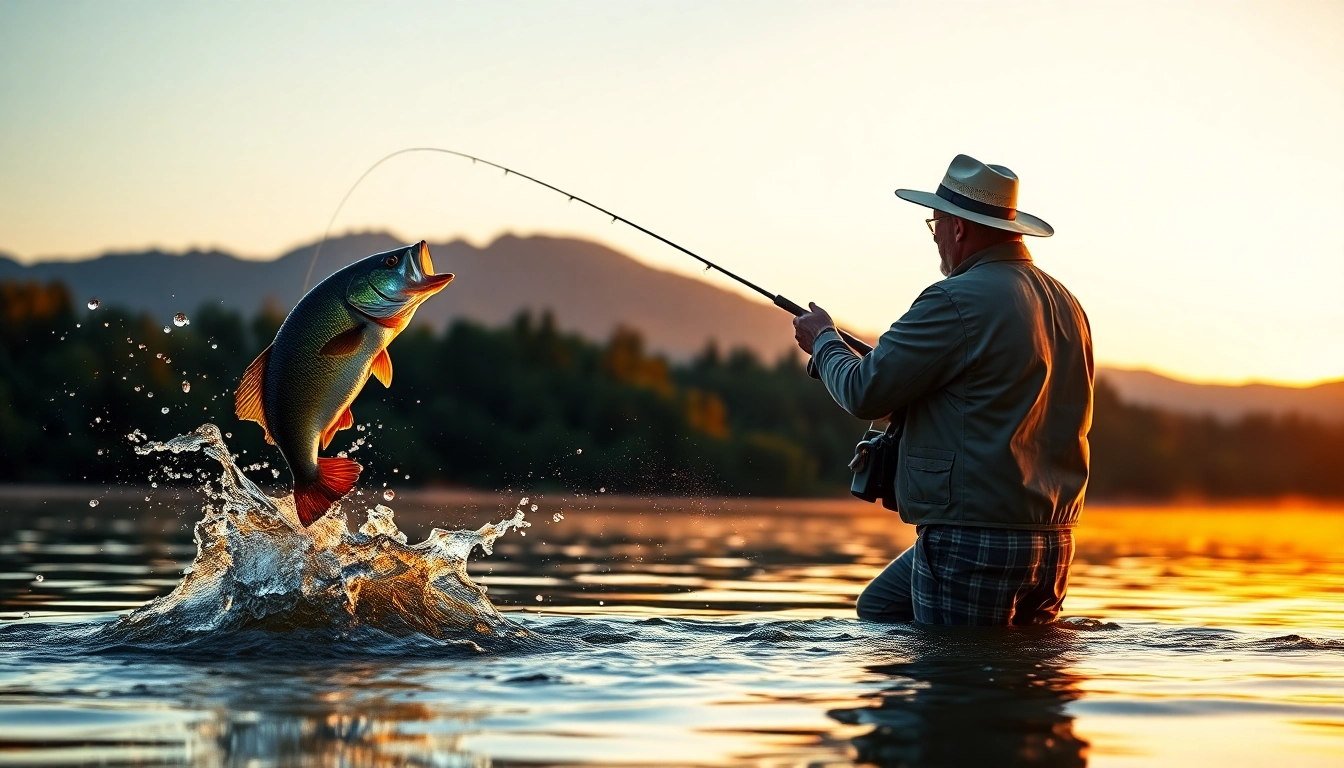

Understanding Fly Fishing Line Basics
What is Fly Fishing Line?
Fly fishing line is a specialized type of fishing line designed to facilitate the unique technique of fly fishing. Unlike traditional fishing lines that rely on weight for casting, fly fishing lines are tapered and heavier, which allows the angler to cast the fly with precision and control. These lines are typically made from a variety of materials, including PVC, polyurethane, or other synthetic materials, which ensure versatility and durability across various fishing conditions. A fundamental component of successful fly fishing, the right fly fishing line can significantly enhance your casting ability and increase your chances of catching fish.
Components of Fly Fishing Line
A fly fishing line is not a singular unit; it comprises several essential components that contribute to its performance and functionality. The key components include:
- Core: The inner section of the line, providing structural integrity and strength.
- Coating: The outer layer that enhances the line’s durability and provides specific qualities like flexibility and buoyancy.
- Taper: The gradual decrease in line diameter from the front to the back, which aids in casting efficiency and accuracy.
- Weight: The line weight designation that affects casting distance and accuracy, which is crucial for matching the line to the fishing conditions and target species.
Types of Fly Fishing Line Explained
There are various types of fly fishing lines, each designed for specific fishing conditions and techniques. Understanding these types is crucial for selecting the right line for your needs:
- Floating Line: Ideal for topwater fishing, it keeps the fly on the surface and is versatile for many conditions.
- Sinking Line: This type of line sinks at varying rates, designed for fishing deeper waters and targeting species that feed below the surface.
- Intermediate Line: A hybrid option that sinks slowly, perfect for fishing mid-level depths in still or slow-moving waters.
- Double Taper Line: Features a tapered design on both ends, allowing for versatility and easy roll casts.
- Weight Forward Line: Heavily tapered at the front, facilitating long-distance casts and powerful presentations.
Choosing the Best Fly Fishing Line for Your Needs
Factors to Consider When Selecting Fly Fishing Line
Several factors determine the best fly fishing line for your needs. Here are the key considerations:
- Target Species: Different fish species have distinct feeding habits and locations; thus, the line type should match these.
- Water Conditions: Factors like water temperature, current speed, and depth will dictate the type of line to use.
- Weather Conditions: Wind and precipitation can influence casting techniques and the effectiveness of certain line types.
- Personal Casting Style: Each angler has a different level of skill and style; choosing a line that complements your technique is essential.
Benefits of Different Fly Fishing Line Types
Each fly fishing line type provides various benefits:
- Floating Line: Easy to handle, works well with dry flies and allows for a visible strike.
- Sinking Line: Reaches depths quickly, excellent for targeting fish like bass and trout that operate below the surface.
- Intermediate Line: Versatile and effective at multiple depths, great for both fresh and saltwater fishing.
- Double Taper Line: Provides smooth roll casts and is perfect for delicate presentations with dry flies.
- Weight Forward Line: Offers precision and long-distance casting, particularly useful in windy conditions.
Fly Fishing Line Weight Recommendations
Fly fishing line weight is categorized by a numerical system, with a range typically from 1 to 12. Here is a guide to some common line weights and their recommended uses:
- Weight 1-3: Suitable for small streams, targeting species like brook and small trout.
- Weight 4-6: Ideal for medium-sized rivers, lakes, and targeting various freshwater species.
- Weight 7-9: Recommended for larger rivers and saltwater situations, effective for bass and saltwater species.
- Weight 10-12: Best for heavy saltwater fishing and large fish species like tarpon or pike.
How to Properly Maintain Your Fly Fishing Line
Cleaning Your Fly Fishing Line
Regular cleaning of your fly fishing line not only prolongs its life but also improves casting performance. For cleaning:
- Use a mild soap solution or a specialized line cleaner.
- Gently scrub the line with a soft cloth.
- Rinse thoroughly with clean water.
- Dry the line completely before storing it.
Storage Solutions for Fly Fishing Line
Proper storage of your fly fishing line prevents damage and tangling. Here are best practices for effective storage:
- Spool the Line: Store your line on a spool to maintain its shape and prevent kinks.
- Keep Away from Sunlight: UV light can damage the line over time; store it in a cool, dark place.
- Avoid Extreme Temperatures: Extreme heat or cold can deteriorate line quality; a stable environment is essential.
Signs Your Fly Fishing Line Needs Replacement
It’s important to recognize when it’s time to replace your fly fishing line. Look for these signs:
- Fraying: Visible wear or frays indicate a weakened line that may snap.
- Loss of Coating: If the line’s outer coating begins to peel, it can affect performance.
- Memory Bends: If the line keeps coiling or retains memory bends, it’s less effective for casting.
- Age: Even with proper care, old lines lose integrity; consider replacing lines every couple of seasons.
Advanced Techniques for Fly Fishing Line Use
Knots for Connecting Fly Fishing Line
Proper knot tying is crucial in fly fishing. A few essential knots include:
- Improved Clinch Knot: Excellent for securing flies to the line, provides a strong connection.
- Loop Knot: Allows more movement for the fly, particularly beneficial for floating flies.
- Double Surgeon’s Knot: Ideal for connecting two lines, offering maximum strength and simplicity.
- Brett’s Knot: Useful for joining different line materials or sizes seamlessly.
Adjusting Casting Techniques with Different Fly Fishing Line
Different lines require adjustments in your casting style:
- Floating Line: Utilize more wrist action for delicate casts.
- Sinking Line: Apply a heavier back cast to ensure the line loads correctly before casting forward.
- Weight Forward Line: Focus on using longer casts with a stronger forward motion.
- Double Taper Line: Use roll casts to present flies delicately and accurately.
Troubleshooting Common Fly Fishing Line Issues
Here are common issues and their solutions:
- Line Twist: Unwind your line and allow it to run through your fingers to untwist.
- Tangles: Organize and prevent tangles by maintaining good storage practices and line management.
- Weak Hook Sets: Ensure your line is properly attached, and re-evaluate your knot’s security.
- Improper Presentation: Adjust your casting technique or the type of line used for better fish interactions.
Frequently Asked Questions about Fly Fishing Line
What weight fly fishing line should I use?
Use a line weight that matches your rod and target species. Typically, line weights 4-6 are versatile for various freshwater fishing scenarios.
How often should I replace my fly fishing line?
Replace your fly fishing line every 1-3 years or sooner if you notice fraying, damage, or a significant loss of performance.
Can I use regular fishing line for fly fishing?
No, regular fishing line lacks the necessary taper and buoyancy required for effective fly fishing techniques.
What is the best way to clean my fly fishing line?
Use a mild soap solution and a soft cloth to gently clean your line, then rinse it thoroughly and dry before storage.
How do I know when to upgrade my fly fishing line?
Upgrade if your line shows significant wear, loss of performance, or if you’re changing fishing techniques or target species.