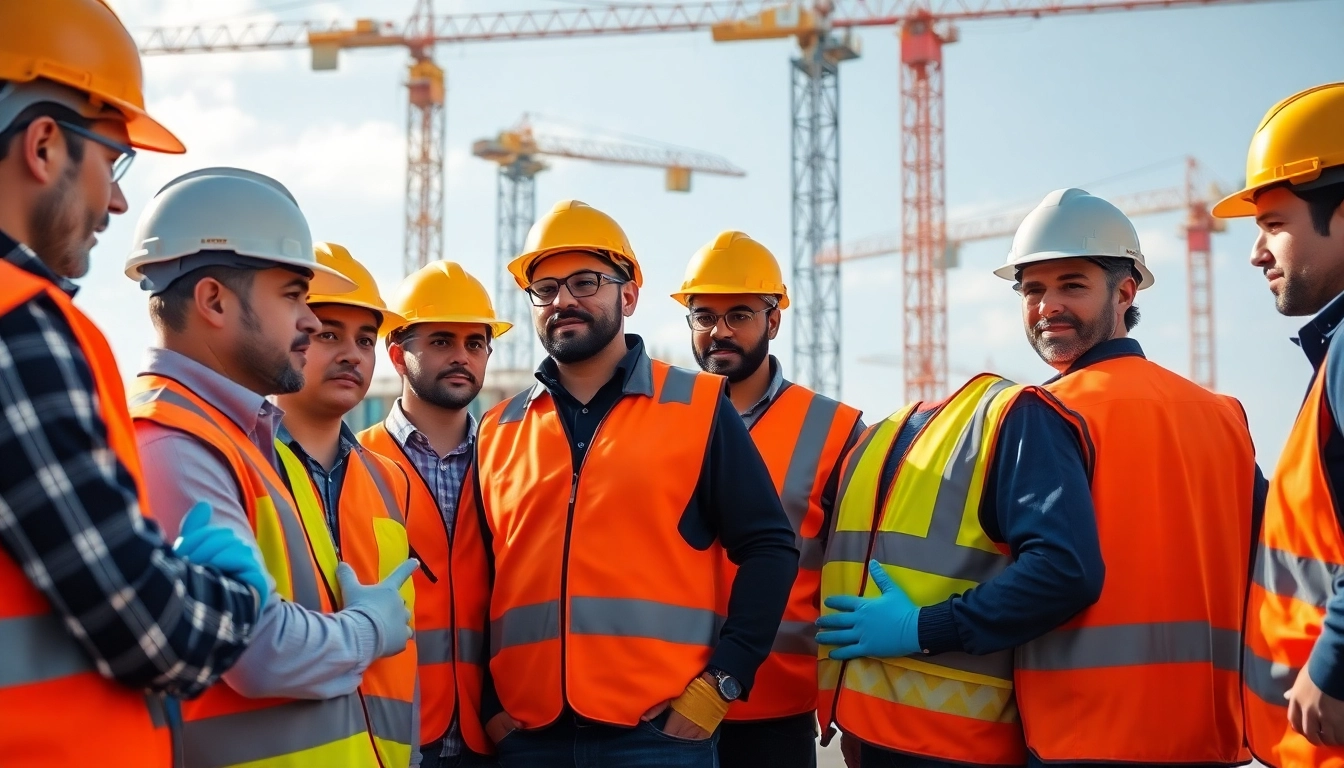
Understanding the Importance of Construction Safety Programs
Construction sites are dynamic environments, fraught with potential hazards that can lead to serious accidents and injuries. Thus, implementing effective construction safety programs is not merely a regulatory obligation but a pivotal component in safeguarding the health and well-being of workers, while also ensuring project efficiency and success. Understanding the intricacies of these programs lays the groundwork for a safer work environment.
Why Safety Matters in Construction
The construction industry is among the most hazardous fields, with a high incidence of workplace injuries and fatalities. According to the Occupational Safety and Health Administration (OSHA), the "Fatal Four"—falls, being struck by an object, electrocutions, and being caught-in or between—account for a significant percentage of construction-related deaths. These statistics underline the critical importance of safety measures and the implementation of robust safety programs. Prioritizing safety not only protects workers but also aids in building a positive workplace culture, enhances employee morale, and promotes productivity.
The Role of Compliance in Safety
Construction safety programs must comply with federal, state, and local regulations. Compliance ensures that organizations do not only avoid legal repercussions but also foster a safe working environment. Regular audits and adherence to standards set by governing bodies like OSHA not only improve safety outcomes but can also lead to reduced insurance costs and liability settlements, creating a financially beneficial situation for contractors and project owners alike.
Impact on Project Success
Beyond the immediate implications for worker safety, effective construction safety programs contribute substantially to overall project success. Projects that prioritize safety tend to experience fewer disruptions, less downtime, and greater adherence to timelines. This efficiency ultimately translates into cost savings and enhanced project reputations, which can lead to more opportunities in the future. Therefore, investing in safety pays dividends that extend well beyond the construction site.
Components of Effective Construction Safety Programs
Successful construction safety programs constitute several essential components designed to mitigate risks and enhance safety on-site. From training to a culture of accountability, these elements work together to promote a comprehensive safety strategy that resonates across all levels of an organization.
Training and Education Requirements
One of the core components of construction safety programs is robust training and education. This should include initial training for new hires, ongoing education for experienced workers, and specialized sessions focusing on particular hazards. Training programs should cover topics such as safe equipment handling, the use of personal protective equipment (PPE), emergency response protocols, and hazard recognition. According to research, organizations that invest in extensive training and education see a significant decrease in workplace incidents.
The Essentials of Risk Assessment
Risk assessments are pivotal in identifying potential hazards and determining appropriate control measures. An effective risk assessment process involves identifying hazards, evaluating the risks associated with these hazards, and implementing measures to mitigate these risks. Regular risk assessments should be conducted throughout the project lifecycle, particularly before starting new tasks or when any significant changes to the project occur.
Creating a Safety Culture
Establishing a safety culture involves instilling a mindset among all employees that prioritizes safety above all else. This can be achieved through leadership commitment, open communication about safety issues, and recognizing employees who demonstrate safe practices. A strong safety culture motivates workers to take ownership of their safety and the safety of their coworkers, leading to reduced accidents and enhanced overall morale.
Implementing Construction Safety Programs
The successful implementation of construction safety programs requires careful planning and execution. Below are key steps for effective implementation, which involve both organizational commitment and individual accountability.
Step-by-Step Implementation Guide
Implementing effective construction safety programs can be broken down into several key steps:
- Assessment of Current Practices: Review existing safety standards and procedures to identify areas needing improvement.
- Engagement of Stakeholders: Involve all employees in discussions about safety protocols to ensure alignment and gain valuable insights.
- Development of a Safety Plan: Create a comprehensive safety plan that outlines specific procedures, responsibilities, and resources required.
- Training Programs: Develop and implement training programs that align with the identified risks and safety standards.
- Monitoring and Adjustments: Continuously monitor safety performance and make necessary adjustments to the safety plan as needed.
Engaging Your Team in Safety Practices
Engagement is vital for effective safety programs. Workers should be encouraged to actively participate in safety discussions, report potential hazards, and provide feedback on safety measures. Implementing regular safety meetings and establishing a safety committee can facilitate participation and enhance accountability. Also, introducing incentive programs that reward safe behavior can motivate teams to prioritize safety.
Regular Updates and Training Sessions
Construction safety programs should not be static; regular updates based on project changes, new equipment, or evolving regulations are essential. Moreover, periodic training sessions keep safety top-of-mind for workers and reinforce critical knowledge and skills. Ensuring that these sessions are interactive and engaging helps to maintain interest and promote retention of information.
Measuring Success in Construction Safety Programs
To gauge the effectiveness of safety programs, organizations must establish clear metrics and evaluation processes. Measurement not only demonstrates compliance but also identifies areas for continual improvement.
Key Performance Indicators for Safety
Key Performance Indicators (KPIs) are crucial for assessing the effectiveness of safety programs. Common KPIs include:
- Incident and accident rates
- Near-miss reporting frequency
- Employee training completion rates
- Safety audit results
- Employee safety perceptions and feedback
Monitoring these KPIs regularly will facilitate informed decision-making and help to foster a culture of accountability.
Incident Reporting and Analysis
Establishing a consistent incident reporting system is critical for understanding the causes of accidents and their frequency. Analyzing incident reports can uncover patterns or recurring issues that need to be addressed promptly. As part of this analysis, organizations should conduct root cause investigations for significant incidents to prevent future occurrences. Incorporating lessons learned into training and safety communications can effectively reduce future risks.
Continuous Improvement Strategies
Continuous improvement is fundamental for effective safety management. This can be achieved through periodic program evaluations, feedback loops, and adaptation to new industry practices or technologies. Utilizing employee input for improvement strategies fosters a proactive safety culture and helps in seamlessly integrating safety practices into daily operations.
FAQs on Construction Safety Programs
What are construction safety programs?
Construction safety programs are structured plans aimed at preventing accidents and ensuring a safe work environment on construction sites.
How often should safety training occur?
Safety training should occur regularly, with sessions scheduled at least annually or more frequently when processes change.
What are common risks in construction?
Common risks include falls, electrical hazards, equipment accidents, and exposure to harmful materials.
How do I promote a safety culture?
Promote a safety culture by involving all employees, encouraging reporting of safety issues, and recognizing safe behaviors.
What is a safety audit?
A safety audit evaluates the effectiveness of safety programs, identifying areas for improvement and ensuring adherence to regulations.